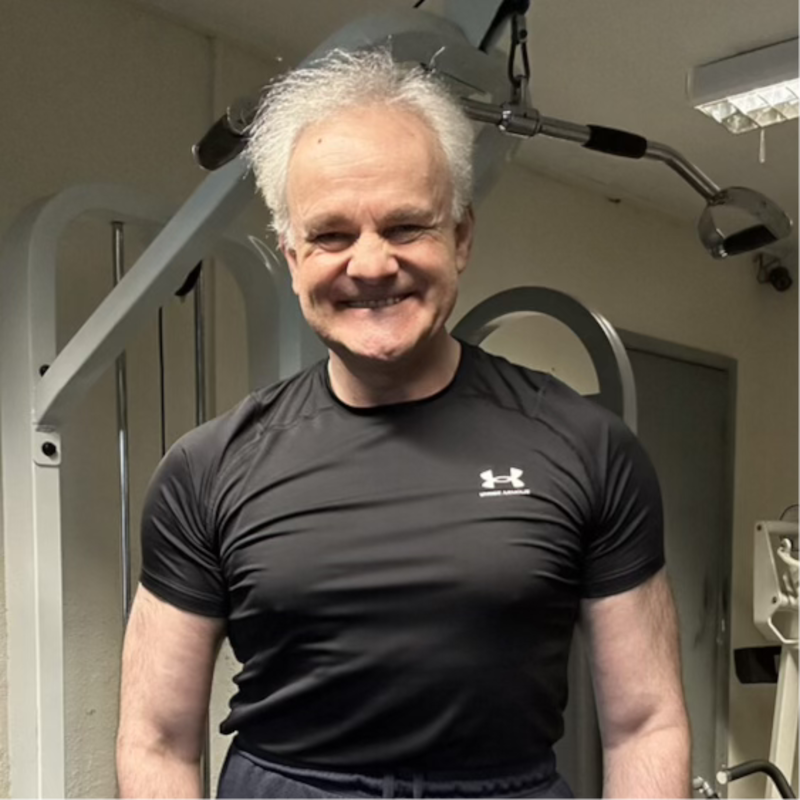
Vince Pizzoni
Five generations achieve outstanding university employability records
Vince Pizzoni's story makes one of the strongest, evidence-based cases for using the unretired generation that we have seen.
He graduated from the Chemical and Environmental Engineering (CEE) Department at the University of Nottingham in 1976 and was delighted when nearly 50 years later, the university invited experienced industry professionals back to support students with technical projects, PhDs and employability.
When these industry leaders graduated, the CEE department had around 100 students, nearly all male and from the UK. Now there were 7-800 students, roughly 35% female and far greater international and socio-economic diversity.
Initially there were only a few industry professionals involved, working typically two-four days a week. Their ages ranged from the late 50s to the mid-80s, and more recently the group has expanded to include a woman in her 30s. Together with academic staff in their 20s to 50s, and students aged roughly 18 to 30, the department now spans five generations working alongside one another.
From Vince's perspective, the value is clear. He says, "Students gain access to what we estimate as around 250 years of combined industry experience - knowledge of how careers unfolded, how organisations really operate and how decisions to employ people are really made."
Vince himself has worked across more than 60 countries, progressed from graduate engineer to executive, served on boards and spent time in executive search. Within the department, his primary focus is employability, mentoring students from their first days at university through to graduation and beyond as alumni.
The exchange, however, is not one-way. Vince is a strong advocate of reverse mentoring. Students bring technical knowledge in areas such as AI, coding and emerging technologies, often far exceeding that of older generations. They also bring fresh perspectives and a willingness to challenge assumptions. Vince describes his students, "They are highly innovative, regularly proposing ideas that more experienced professionals might miss through habit or groupthink. I have also learned about the pressures students face today, including mental health challenges that were rarely discussed when I was younger."
Relationships are built deliberately. Vince meets students within their first days at university and works with them regularly over several years. He emphasises listening, empathy and mutual openness. In his mentoring relationships, he expects learning to flow both ways, often describing his mentees as his mentors too. Trust is built by getting to know people as individuals, rather than starting with roles or career outcomes.
For Vince, this work is not a winding-down phase. After being restructured out of industry in his early 50s, he chose to reinvent his career, moving into education, executive search and portfolio work. His guiding principle, learned from his mother, remains simple: everyone is special, and everyone has unique gifts.
The outstanding results of intergenerational learning
- Typically around 90% of the department's students achieve at least a 2:1, with 50-70% getting a First - Vince says this is impressive
- The department has excellent employability figures among UK chemical engineering departments, according to national league tables
- They also have high rankings for student satisfaction and strong graduate outcomes
- While Cambridge and Imperial often rank highest overall due to entry grades and research strength, his department excels in employability.
Want to read more stories like this?
Buy the book, or leave your email to hear first about new stories, case studies and events from Expiry Date Never / Next-Up Ltd.