They refused to fade quietly.

The book features over 40 real people who refused to accept that their working lives were over.

22+ case studies on this site
17 chapters of insights
no expiry date

Real people. Real reinvention.

Short introductions below

Each story is told in full in Expiry Date Never. Register your interest to be first to hear when the book launches.

Lucy Kellaway

Lucy Kellaway

Tackling the toughest education challenges

Respected Financial Times journalist who became a teacher at 57 and co-founded Now Teach to bring experienced people into the classroom.

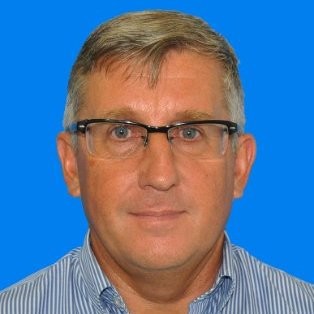
Stuart Neilson

Stuart Neilson

Discovering a new voice and career through LinkedIn

Left a senior leadership role without a clear plan and used LinkedIn to find his voice on respectful leadership and ageism.

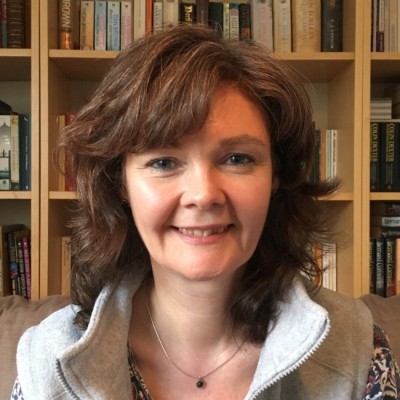
Ann Elliott

Ann Elliott

Branding on LinkedIn to support a non-executive portfolio

A hospitality lifer who built a deliberate LinkedIn brand and turned post-Covid coffees into a paid non-executive portfolio.

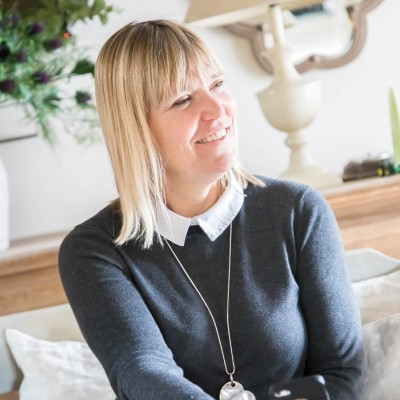
Frances Harper

Frances Harper

From hospital receptionist to BBC filmmaker

At 60, after a career as a secretary and hospital receptionist, Frances heard a radio interview in the bath and decided to make her first documentary.

Peter Anstiss

Peter Anstiss

International defence to regeneration at 70

After decades at BAE Systems, Peter took on a paid role at 70 as Chief Executive of Team Barrow, delivering the UK's nuclear deterrent and transforming Barrow's economy.

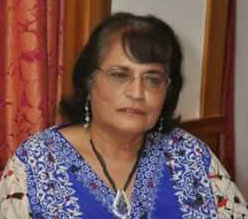
Ranjit Arora

Ranjit Arora

Building a national and international portfolio without networks

A career in teaching, teacher training, research and middle management in Further and Higher Education Colleges - built without a network, almost entirely by applying for advertised roles.

Jim Pearson

Jim Pearson

Volunteer gardening transformed his retirement

A former Shell senior manager who found unexpected joy as a volunteer gardener with English Heritage at Wrest Park.

Michèle Dennison

Michèle Dennison

Even senior HR leaders miss the longevity revolution

Most recently Head of HR Operations at Oxfam, Michèle realised at 60 she had missed the scale of the demographic shift reshaping the workforce.

Sarah Taylor Phillips

Sarah Taylor Phillips

Crafting work when the system says no

Founder of Career Voyage, helping people in their 50s and beyond redefine their proposition when recruitment systems no longer recognise them.

Sheena Hastings

Sheena Hastings

Journalist to classroom support

After 35 years in journalism, including many as chief feature writer at The Yorkshire Post, Sheena retrained as a Dyslexia Teaching Assistant in a Leeds high school.

Elizabeth Jackson

Elizabeth Jackson

Passion for gardening became a business

After leaving an executive search business felt 'like a bereavement', Elizabeth built a small flower-growing business with her husband.

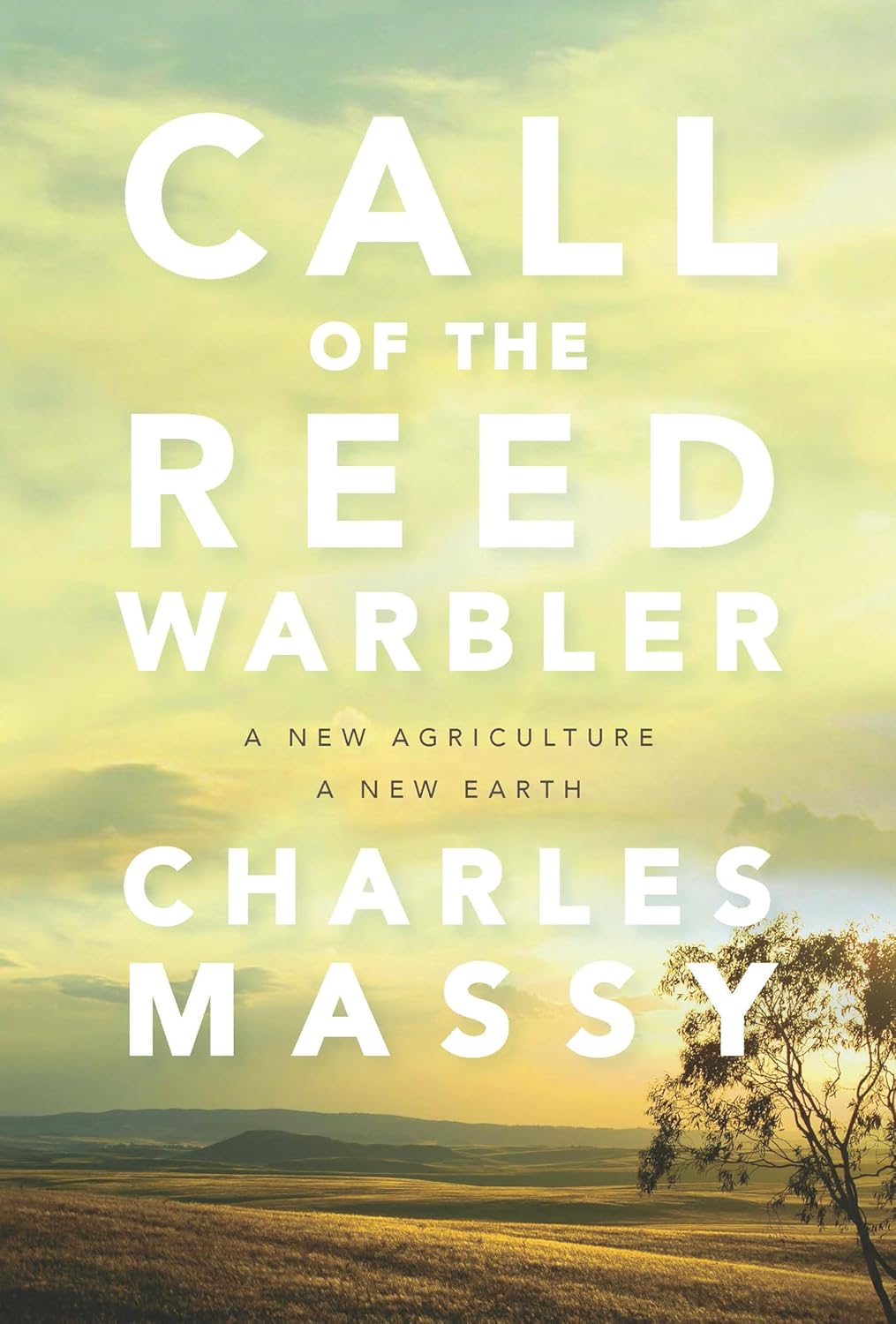
Charles Massy

Charles Massy

Regenerating the land at 56 (Australia)

A New South Wales farmer who enrolled at university at 56 to understand the natural systems he had been fighting against for decades.
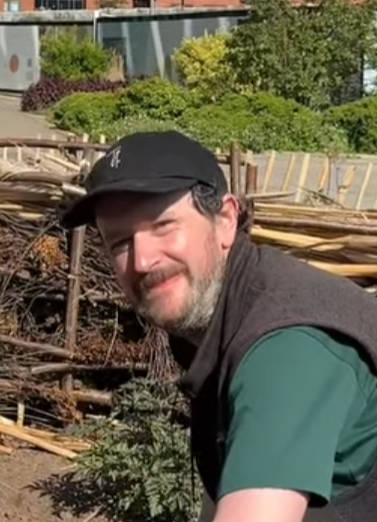
John Hart

John Hart

Why 'shoulder-to-shoulder' helps men open up

Found premises in Harrogate and created a place where men come together to make and repair things for the local community.

Dr Ornit Avidar

Dr Ornit Avidar

Finding clean water for Africa (Israel/Africa)

Former diplomat, tech CEO and investor who founded WaterWays after a private equity research project on water turned into a calling.

Prof Wendy Loretto

Prof Wendy Loretto

Later-life health is safe to discuss … at work

Led University of Edinburgh research with 145 workers aged 50+ on what she calls 'hidden health at work', revealing fear, silence and 'double discrimination'.

Bob Charlton

Bob Charlton

The parts nobody talks about

Former Clifford Chance partner and Head of Asia at Addleshaw Goddard, now running a portfolio of advisory and general counsel roles - and candid about how hard the transition has been.

Rod Roman

Rod Roman

The power of alumni networks done well

Former global tax partner at EY who founded the EY Charity and Trustee Network, now exceeding 120 members.

Liz Gray

Liz Gray

EY's partner transitions - the power of a packed parachute

Director of EMEA Transitions at EY, who has built one of the most influential partner-transition programmes in professional services.
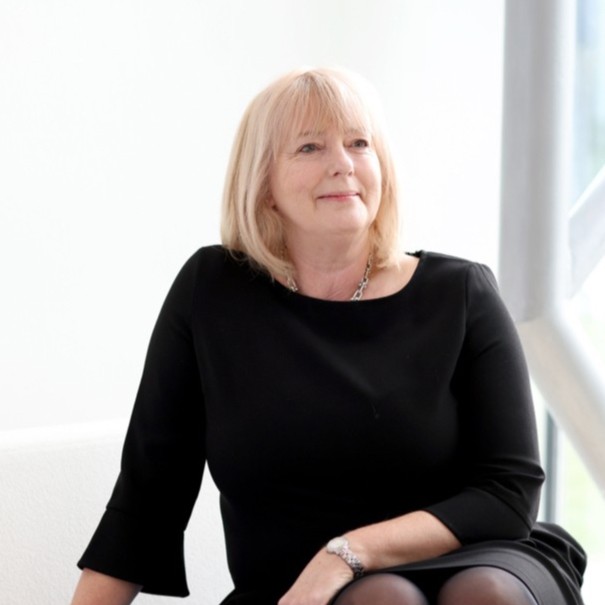
John Shinnick

John Shinnick

From partner to trusted adviser

After 21 years as a Grant Thornton audit partner ended abruptly at 58, John built a portfolio of around seven advisory relationships over 12 years.
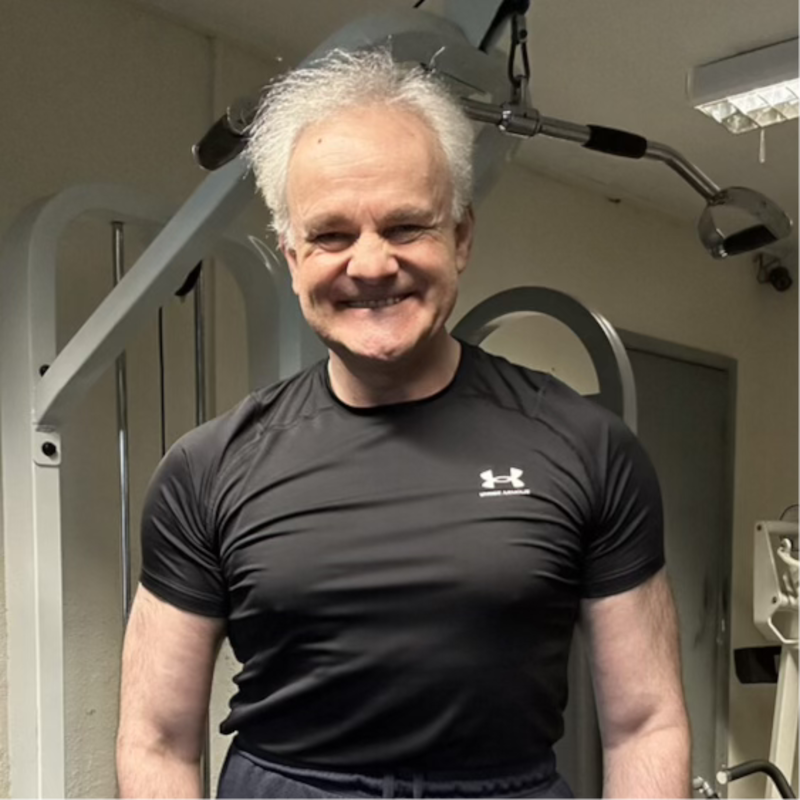
Michael and Brigitte Barker

Michael and Brigitte Barker

The purpose gap after selling a business (New Zealand)

After selling five-generation family firm Barker's of Geraldine to The Andros Group, Michael found a new mission promoting Geraldine itself.

Trevor Hatton

Trevor Hatton

So much more than volunteering

Former partner at Accenture and EY who felt lost in early retirement, retrained as a coach and became a key team member at Next-Up.

Adam Middleton

Adam Middleton

Rewriting the rules for managing an ageing workforce

Formerly Vice President, Siemens Energy, Western Europe - who tackled the loss of tacit knowledge from a retiring cohort of technical sales engineers.

Want to read the full stories?

Every story above is told in full in Expiry Date Never. Register your interest to be first to hear when the book launches.

Stories told in full - beyond the book.

We interviewed many more remarkable people than we could fit in the book. Here are their stories, in their own words.

Elly Fiorentini

Elly Fiorentini

Age is irrelevant

Open shareable page →
Award-winning BBC reporter and presenter Elly Fiorentini has never defined herself by age. "Age doesn't exist in my world," she says. Growing up, her mother refused to disclose her age: Elly has always thought of herself as 45 and her mum thought of herself as 21. It was never discussed, and it never mattered. That outlook has shaped how Elly lives and works. She believes ageing is a privilege and that kindness and curiosity should guide how we treat one another, whether in the workplace or in our communities. In her own neighbourhood, she values the quiet reciprocity of intergenerational living - people looking out for one another, offering help when it's needed, and recognising how much richer life is when generations mix naturally. At work, Elly is passionate about reversing the usual flow of ideas. Older colleagues should not simply present solutions, she argues, but actively ask younger people how they think things should work. When broadcasting and journalism became digital, Elly leaned into learning - asking for help, adapting quickly, and continuing to mentor and coach people around the world. For Elly, age is irrelevant. What matters is respect, openness and staying engaged with life. What can we learn? • We need to stop focusing on age - curiosity, kindness and openness matter far more • Intergenerational living and working don't need programmes to start; they begin with everyday behaviours in our own communities • Learning flows both ways: experience brings judgement, younger voices bring fresh perspective • Staying engaged means being willing to ask for help, adapt and keep learning at every stage of life
David Patient

David Patient

Building a legacy through the Durham Law School Alumni Association

Open shareable page →
When David Patient stepped down as managing partner of Travers Smith in 2021, one role quickly led to another. As he recalls, "I was tapped up by Simon Davis, a former President of The Law Society of England and Wales, and a senior partner at Clifford Chance, who had been involved in reshaping the Law Society Council and creating a new seat to represent what are known as the 'Major Corporate' firms. I was asked if I'd put my hat in the ring - and I decided to go for it. I was elected in a contested election in the autumn of 2021, and became the first representative of these members on the Council." That role also brought David onto the board of the City of London Law Society as the Law Society Council's representative. It was here that another opportunity surfaced. At a dinner, he found himself sitting next to Stephen Denyer, a former Allen & Overy partner, who David had known for many years, and who was at that time Director of Strategic Relationships at The Law Society. When David mentioned that he had studied History at Durham, Stephen, a fellow Durham alumnus, told him about plans to appoint new members to the University Law School's advisory board. David was keen to help. He was introduced to the Dean and invited to join the advisory board, bringing with him a private practice and firm leadership perspective that complemented the academic and judicial voices already involved. The board's chair was Sir Andrew McFarlane, President of the Family Division of the High Court. Alongside the Dean and Professor Philip Bennett - Durham's first Professor in Practice and a former Slaughter and May partner - a broader idea began to take shape: creating a Durham Law School Alumni Association. It would be deliberately inclusive, open to anyone who had studied at Durham and gone on to a legal career, regardless of their degree subject - an association for all "Durham lawyers", not just law graduates. David agreed not only to help get the Association off the ground, but to chair its executive committee. Over six months, he and Philip worked through the practicalities: drafting a constitution, selecting 40 founding members and planning a launch in Durham and a celebratory dinner at Durham Castle. The signing ceremony was attended by the Vice-Chancellor and Association co-presidents Lord Hughes of Ombersley and Lady Black of Derwent, both former Supreme Court judges and Durham alumni. From the outset, the aim was to build something credible and lasting, with clear governance and a close link back to the University, complementing the existing University and College alumni networks. Accessibility mattered from the start, and over the following 12 months the Association grew to over 1,000 members from private practice, the Bar, and in-house, and from around the world. For a second dinner in Durham, in September 2025, this time to celebrate the anniversary of the launch, David persuaded ten law firms he knew well, each to contribute the sum of £750 to the costs of holding the dinner, keeping ticket prices low enough for those at the beginning of their careers to be able to afford to attend. The intention was simple: to bring younger alumni, trainees and early-career lawyers into the room alongside senior figures, and to make intergenerational connection the norm rather than the exception. The Durham Law School Alumni Association was set up with a clear purpose. Its members understand what employers are really looking for - whether in law firms, chambers, in-house teams or academia - and use that insight to support students through mentoring, employability skills and career guidance. The Association helps keep teaching and research connected to practice and acts as a bridge between the University and the legal profession, in the UK and overseas. That connection supports strong graduate outcomes and makes a real difference to how Durham is seen by prospective students, particularly those coming from abroad. All of this feeds into Durham's wider reputation and success, including its position in the rankings and recognition in this year's Times and Sunday Times rankings as University of the Year. For David, it comes back to legacy. Durham had been a formative part of his own life. With more time, strong networks and decades of experience, he has been able to help build something that will continue long after his own involvement.
Gary Rumens

Gary Rumens

Reclaiming green space through two-way volunteering

Open shareable page →
At 39, Gary Rumens never expected to help lead a movement to green Manchester's concrete city centre. After years in retail - much of it as a shop-floor manager, alongside behind-the-scenes work at his company's head office - Covid furlough brought his work to a halt and his surroundings into focus. Living in the city, he noticed the lack of green space and the volume of litter. He started small, organising a local litter-picking group. That simple act sparked something bigger: a determination to bring nature back into urban life. Gary joined the Plant Co-operative CIC, a not-for-profit collective transforming neglected city spaces into biodiverse gardens. Their aim is ambitious but practical: to create a city of gardeners in the most built-up areas, proving that wellbeing, biodiversity and community thrive when nature returns. Now working four days a week with a small team, Gary teaches communities how to garden sustainably - growing food, saving seeds, avoiding pesticides and allowing so-called "weeds" to support wildlife. Urban gardening isn't easy: heat from concrete, wind tunnels and unpredictable weather all take their toll. Some projects fail. "We all make mistakes and learn," Gary says. "That's how nature works." A defining feature of the work is its intergenerational mix. Through his separate Clean & Green Castlefield group, Gary works with volunteers of all ages, including David, a retired solicitor and lifelong gardener. Initially, Gary felt daunted by David's experience. Instead, a genuine exchange developed. David brought traditional knowledge; Gary introduced no-dig gardening, permaculture beds and working with nature rather than controlling it. "You assume older people are set in their ways," Gary reflects, "but we're learning from each other." This two-way volunteering sits at the heart of the work. Volunteers are encouraged to experiment, share knowledge, shape projects and see the impact of their contribution. The results are tangible: stronger communities, reduced anti-social behaviour, increased engagement - and vegetables growing where no one thought possible. Gary's philosophy is simple: • Give things a go - don't wait for perfection • Make volunteering a two-way learning experience • Ask people what they want from volunteering and help them achieve it • Share impact openly so everyone knows the value of their contribution • Let volunteers own projects and give feedback Gary's story shows the real power of intergenerational working: not expertise flowing one way, but curiosity, openness and learning flowing in both directions - exactly the culture organisations everywhere need to embrace.
Kate Cook

Kate Cook

Health enables choice, not withdrawal

Open shareable page →
When Kate Cook, author and nutritionist of 25 years, turned 60, she noticed a pattern she could no longer ignore. Many people reached their late 50s and early 60s with ambition and experience intact, but with health that quietly limited what they could do next. Options narrowed not because of age, but because energy, resilience and confidence had already been eroded. Working across corporate settings, Kate saw this repeatedly. People wanted to keep contributing, learning or reshaping their work, but arrived at this stage depleted and unprepared. Health, she realised, was not a wellbeing add-on but a decisive factor in whether people had any real choices left. That insight led her to develop Thrive After 55, a programme designed to help people think earlier and more deliberately about longer working lives, with health as a foundation rather than an afterthought. The focus is not on extending work at all costs, but on preserving the capacity to decide what comes next. Kate is particularly critical of the language we use. "People rarely think ahead," she says, "and the word 'retirement' is unhelpful. It literally means withdrawing from life." In her experience, many people begin withdrawing years before they stop working, adjusting expectations downward instead of redesigning what might still be possible. Her argument is simple. In a world where working lives are extending by 20 or 30 years, health increasingly determines not how long people work, but whether they have the freedom to choose how they contribute at all.

Has this movement changed how you think?

We'd love to hear your story. The best submissions may be featured on this site.

Your story is sent privately to the authors.